As the weather gets hotter, sunscreen should not be applied only when you feel like it. To choose the right sunscreen for your needs, start by understanding the key terms: UVA, UVB, SPF, and PA.

Many people think sunscreen is only necessary for the beach, water activities, or hiking. In reality, commuting, riding a scooter, driving, or working near a window can also expose skin to UV rays. When sunscreen is used properly, it adds an extra layer of daily protection for the skin.
UV exposure is more noticeable under strong sunlight. Applying sunscreen before going out is one of the most basic summer preparations.
Cloudy weather does not mean there are no UV rays. Maintaining a daily sunscreen habit is still recommended, especially when staying outdoors for long periods.

If you sit near a window for a long time, drive, or commute by car, you can also prepare sunscreen according to the level of sun exposure.
Based on wavelength, ultraviolet rays can generally be divided into UVA, UVB, and UVC. In daily sun protection, the most commonly discussed types are UVA and UVB.
To choose the right sunscreen, the first step is not to look at the brand, but to understand what kind of protection you need.
| UV Type | Daily Understanding | Sunscreen Focus |
|---|---|---|
| UVC | Mostly blocked by the atmosphere, so direct exposure in daily life is relatively rare. | Daily sunscreen discussions usually do not focus on UVC. |
| UVB | More likely to cause post-sun redness, warmth, and discomfort. | When choosing sunscreen, pay attention to the SPF label. |
| UVA | Has stronger penetration and may be encountered outdoors, on cloudy days, in cars, or near windows. | When choosing sunscreen, pay attention to the PA label. |
Choosing sunscreen is not simply about picking the highest number. It is more important to understand what each label means. SPF mainly relates to UVB protection, while PA mainly relates to UVA protection. Looking at both gives you a more complete view.
SPF stands for Sun Protection Factor and is mainly used to indicate a sunscreen product’s protection against UVB. UVB is more closely associated with post-sun redness, warmth, and discomfort.
PA is mainly used to indicate the level of UVA protection. Common labels include PA+, PA++, PA+++, and PA++++. The more plus signs, the higher the UVA protection level.
For daily commuting, going out, or running errands, it is recommended to pay attention to both SPF and PA, then choose based on your activity environment and preferred skin feel.
Sunscreen products on the market are commonly divided into physical sunscreens, chemical sunscreens, and hybrid sunscreens. Each type has different characteristics. There is no absolute good or bad choice—the key is whether it fits your daily routine.
| Sunscreen Type | Protection Principle | Common Advantages | Selection Reminder |
|---|---|---|---|
| Physical Sunscreen | Helps block external light by reflecting and scattering UV rays. | Ingredients are stable and are often found in products designed for sensitive skin. | Some products may feel whitening or heavy, so choose according to your preferred skin feel. |
| Chemical Sunscreen | Absorbs UV rays, then converts and releases the energy. | Texture is usually lighter, spreads well, and is easier to formulate with a refreshing skin feel. | If your skin is sensitive, it is recommended to test on a small area first and observe the skin feel. |
| Hybrid Sunscreen | Combines physical and chemical sunscreen designs. | Can balance protection, skin feel, and pre-makeup usage needs. | Still choose based on your skin type, activity scenario, and product labeling. |
Start with your lifestyle scenario, SPF/PA, skin feel, reapplication habits, and skincare routine. This will help you find a sunscreen that suits you more quickly.
For daily commuting and general outings, you can choose a sunscreen that feels comfortable for everyday use. For long outdoor activities, heavy sweating, or extended exposure, pay closer attention to SPF, PA labels, and reapplication frequency.
SPF mainly refers to UVB protection, while PA mainly refers to UVA protection. These two labels represent different protection directions, so it is recommended to look at them together for a more complete understanding.
Taiwan’s summer is hot and humid. If a sunscreen feels too sticky, thick, or heavy, it may end up sitting in a drawer. Choosing a texture you are willing to use every day is the most practical sunscreen habit.
After long hours outdoors, sweating, wiping the face, or friction from a mask, sunscreen coverage may be affected. Reapply according to the day’s activity level to help maintain more complete protection.
If you are in a hurry in the morning, you can choose a product that combines sunscreen, tone-up, hydration, and a primer-like feel, making your pre-outing skincare routine smoother.

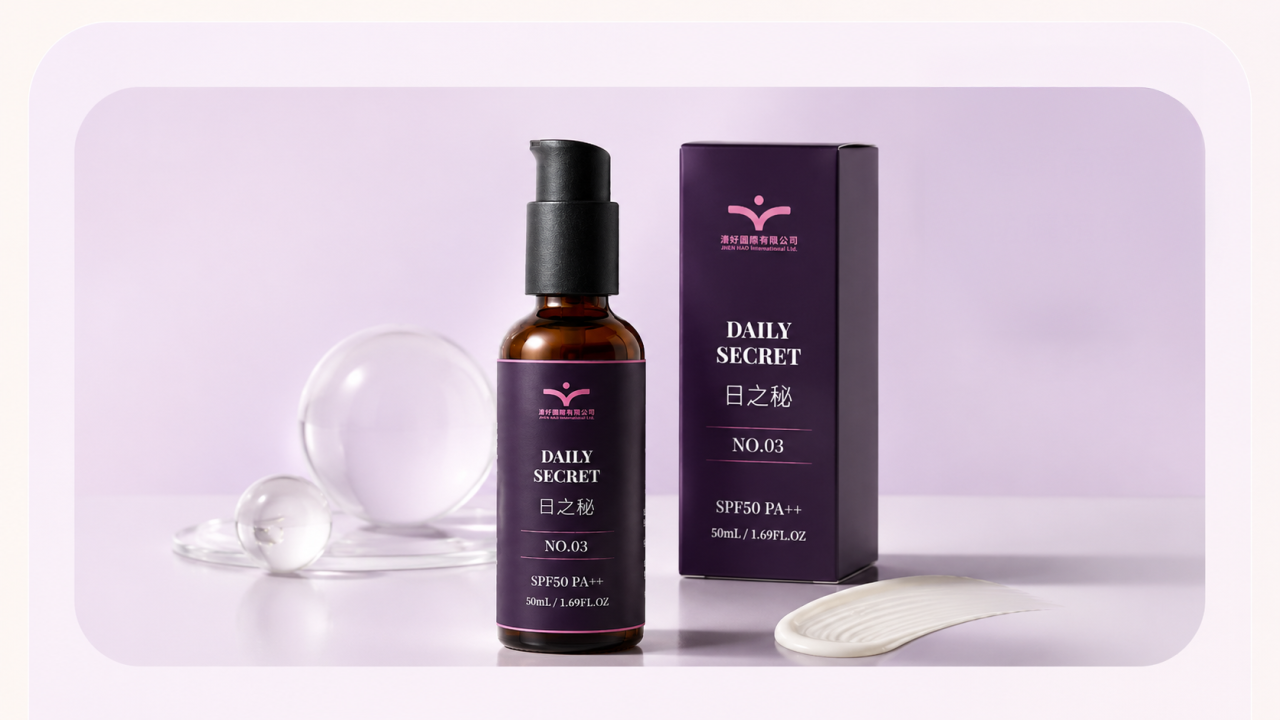
For daily commuting, work, and going out for errands, prepare your skin with sunscreen before leaving home. SPF50 PA++, combined with a lightweight silky texture, makes sunscreen not only protection, but also a daily ritual before stepping out beautifully.
Reminder: Sunscreen should still be reapplied when needed according to your activity environment, sweating, wiping, and long outdoor exposure. If your skin is sensitive, it is recommended to test on a small area first.
Learn More About Rizhimi NO.03 →Here are a few common sunscreen questions to help you feel more prepared before going out.
Not necessarily. Sunscreen should be chosen based on your activity environment, exposure level, skin feel, and whether you are willing to keep using it. SPF is one reference point, but not the only standard.
It is recommended to maintain the habit. UV exposure may still occur on cloudy days, especially when staying outdoors for long periods or sitting near windows.
After long hours outdoors, sweating, wiping, or mask friction, reapply as needed according to the situation to help maintain more complete protection.
Yes. The key is whether the skin feel suits you and whether you are willing to use it every day. Sunscreen is a daily habit, not an emergency step done only occasionally.
Understand SPF and PA, choose the right sunscreen according to your lifestyle, and give your skin an extra layer of daily protection. Starting today, make sunscreen a beautiful habit before going out.
Rizhimi NO.03